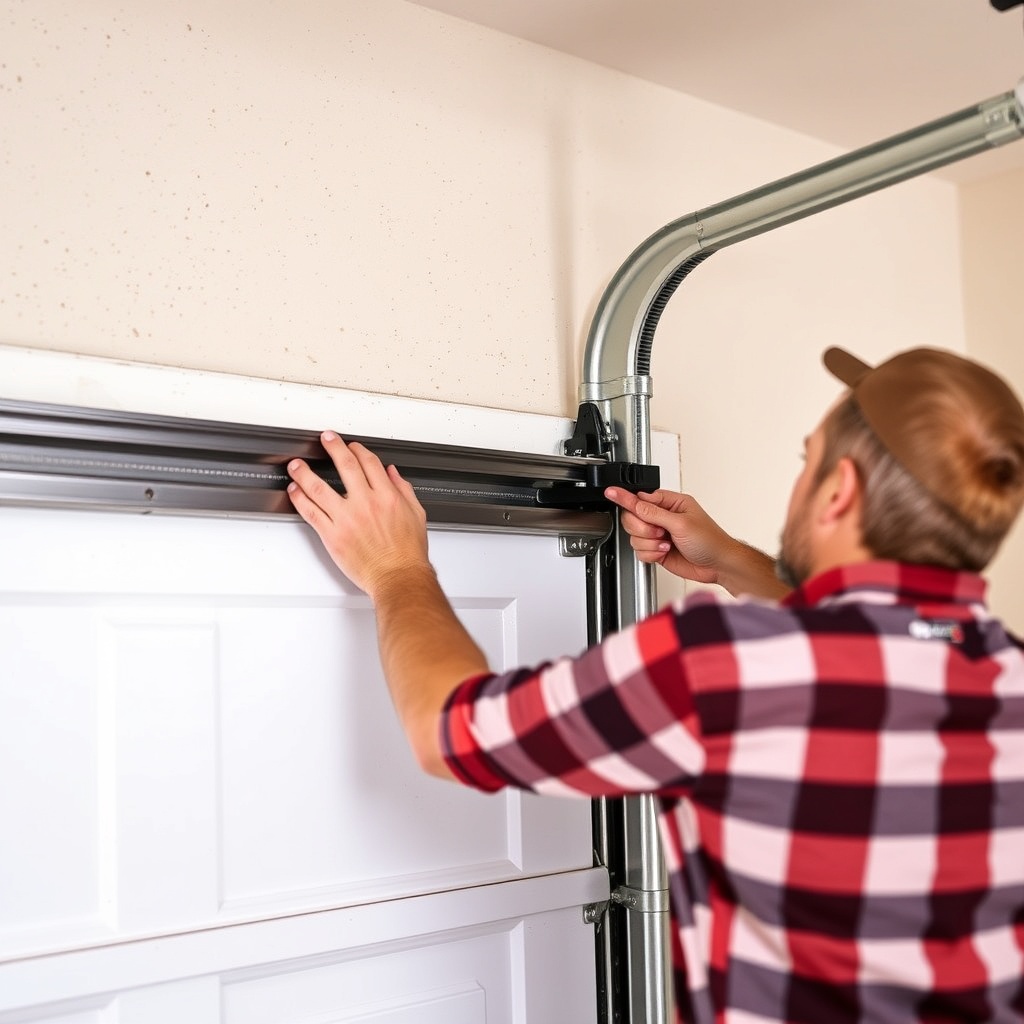
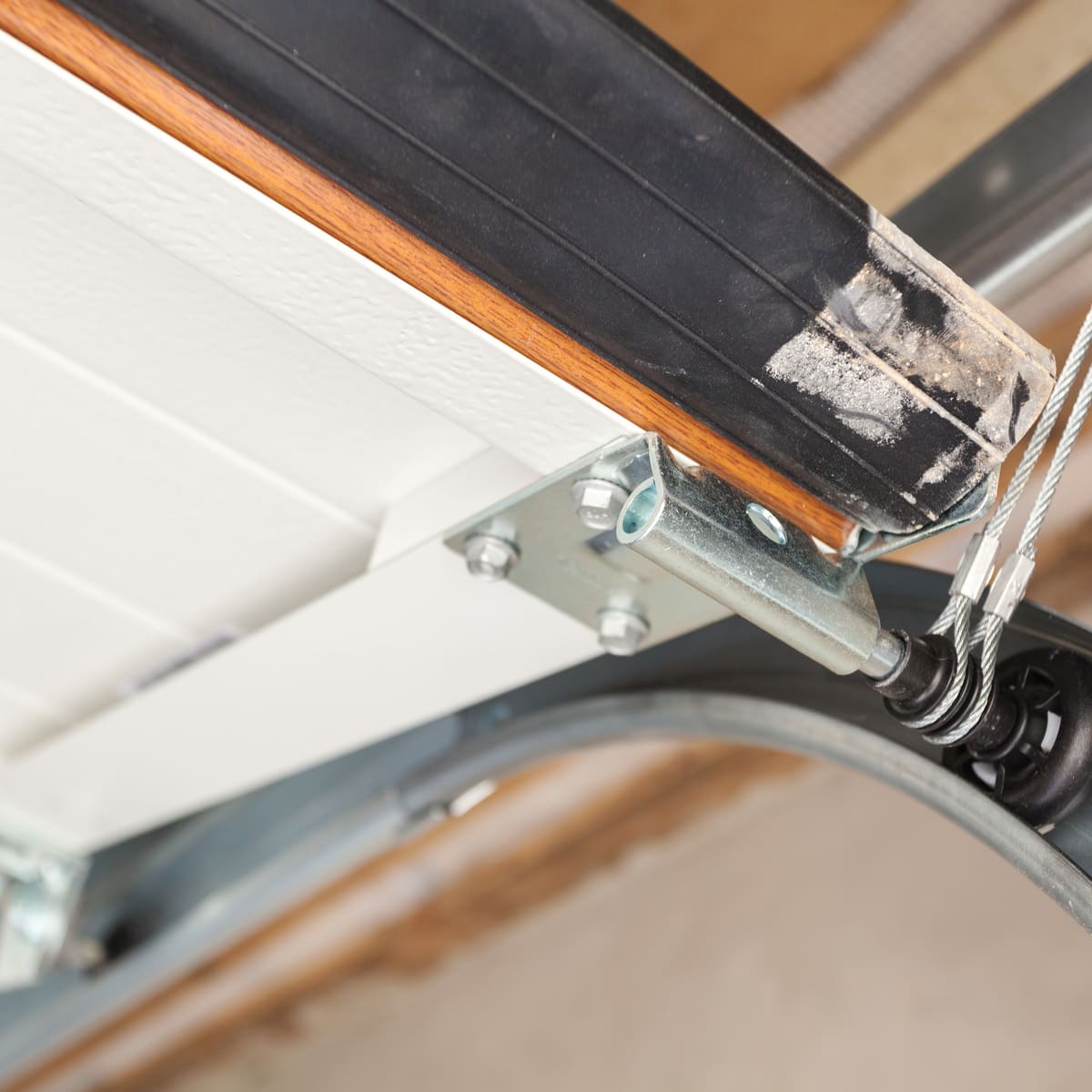
A properly functioning garage door should travel through its opening with controlled and relatively even movement.
If one side starts moving differently from the other, something in the lifting or guiding system may need attention.
Warning Signs Of Cable Damage
Cable problems may show themselves through:
- Fraying
- Loose cable
- Cable coming away from the drum
- One side of the door sitting lower
- Uneven lifting
- Door becoming stuck
- Sudden change in door movement
A failed cable can affect the balance of the complete door.
Why Cables Wear Out
Garage door cables are repeatedly exposed to movement and mechanical load.
Over time, normal wear, corrosion, poor alignment or damage can weaken the cable.
If a cable has come loose or snapped, the cause should also be investigated.
Understanding Garage Door Tracks
Tracks guide the rollers as the door moves.
They need to remain correctly positioned so the rollers can travel without excessive resistance.
Problems can develop when tracks become:
- Bent
- Loose
- Misaligned
- Damaged
- Obstructed
How A Bent Track Changes Door Movement
A damaged track can cause the door to rub or grind as it opens.
You may notice jerky movement, unusual sounds or the door stopping at a particular point.
Continuing to operate it can increase wear on the rollers and other hardware.
Why Doors Come Off Their Tracks
A garage door can leave its track because of several different problems.
Possible causes include:
- Damaged rollers
- Bent tracks
- Impact damage
- Loose hardware
- Cable problems
- Spring failure
- Excessive force
- Incorrect alignment
Putting the door back without correcting the underlying cause may only provide a temporary solution.
Cable And Spring Problems Can Be Connected
The lifting cables and spring system work together.
A spring failure can affect cable tension, while a cable issue can change how the door is supported.
For that reason, both systems should be considered when diagnosing an uneven garage door.
Repairing Or Replacing Damaged Tracks
Not every track problem requires a complete replacement.
Some alignment or mounting issues may be correctable.
A severely bent or damaged section, however, may need replacement to restore proper operation.
Impact Damage Requires A Wider Inspection
A vehicle hitting the garage door can damage more than the visible panel.
The force can transfer into rollers, hinges, cables or tracks.
If the door has become uneven after an impact, it should be checked before being repeatedly operated.
Mechanical Wear On Older Doors
Older garage doors can accumulate wear across several moving components.
If a cable or track fails on an ageing system, it can be useful to inspect the rollers, springs and other hardware at the same time.
That gives you a better understanding of whether the repair is isolated or part of a broader maintenance issue.
When You Should Stop Using The Door
Stop operating the garage door if:
- A cable has snapped
- The door is visibly off-track
- A track is badly bent
- One side has dropped
- The door is making severe grinding sounds
- The door is no longer moving evenly
Repeated operation can make the mechanical problem worse.